

Alabama gives you two things most states don't, and one deadline that's closer than most buyers realize.
There is no statewide mandatory building code for privately funded construction. The state Building Commission regulates only state-funded projects, public schools, hotels and movie theaters. A privately funded shop, warehouse, church or barn is governed by whatever your city or county has adopted — and nothing more.
Compare Prices & Save
Most kits run $16–$20 per sq ft. Your real number depends on size, location, foundation & finish. Takes two minutes to find out.
14,068 kits sold 50-year Structural Warranty
And Alabama law requires your insurer to discount your premium if the building is certified to a FORTIFIED standard. Not encourages. Requires. The statute covers commercial property as well as homes, which is the part almost nobody knows.
The deadline: January 1, 2027, when a statewide residential building code becomes mandatory for the first time.
This page covers what a building costs in Alabama, who actually issues your permit, how the FORTIFIED discount works and why it's worth designing for, and what changes for residential buyers in 2027.
What a Metal Building Costs in Alabama
Steel ships at essentially one national price. What changes by state is concrete and erection labor — and Alabama runs about 12% below the national average on that site-built portion.
| Size | Sq ft | Kit only | Turnkey in Alabama | Turnkey national avg |
|---|---|---|---|---|
| 30x40 | 1,200 | $21,000 – $24,700 | $28,500 – $33,500 | $29,500 – $34,700 |
| 40x60 | 2,400 | $39,400 – $46,300 | $54,900 – $64,400 | $57,000 – $66,900 |
| 50x100 | 5,000 | $76,400 – $89,700 | $109,700 – $128,800 | $114,200 – $134,100 |
| 60x120 | 7,200 | $105,900 – $124,400 | $154,600 – $181,400 | $161,200 – $189,200 |
Kit-only covers the delivered steel structure — frame, roof and wall panels, doors, and engineering stamped for your jurisdiction. Turnkey adds the concrete foundation and professional erection.
Kit-only pricing does not drop in Alabama. The steel is fabricated and shipped at a national rate; the saving is in the slab and the crew. On a 60x120 that's roughly $6,600 below the national average, all of it in site work.
Baldwin and Mobile counties run higher. Design wind speeds on the Gulf Coast are among the highest in the country, and a frame engineered for 157 to 160 mph is a substantially heavier building than one engineered for north Alabama.
Price your exact size · See common sizes
Do You Need a Permit in Alabama?
It depends entirely on your city or county, and Alabama's arrangement is widely misunderstood — including by people who repeat it confidently.
There is no statewide code for private construction
The Alabama Building Commission, operating as the Division of Construction Management, enforces the state building code — but its jurisdiction is narrow. It covers work on state-owned property or using state funds, all public and private K-12 schools, public postsecondary schools, hotels and motels, and movie theaters.
A privately funded metal building is outside that entirely.
But counties absolutely can require permits
Here's the correction worth making, because the opposite is repeated constantly: Alabama counties do have express building code authority in unincorporated areas. State law provides that county commissions may adopt building laws and codes by ordinance applying in unincorporated areas, may employ building inspectors, and may charge inspection fees.
What Alabama counties largely lack is land-use authority — planning and zoning. That's a different power, and it's the one that's genuinely restricted.
So a typical unincorporated Alabama parcel often has no zoning but may well have building permits and inspections. Those two facts get collapsed into "no rules in the county," which is wrong and expensive.
Both Gulf Coast counties enforce. Mobile County runs a building official and inspection services for unincorporated areas, and requires plans for IBC structures to be prepared by an Alabama-licensed engineer or architect. Baldwin County enforces the 2024 I-Codes across most unincorporated areas, with a permit exemption for detached one-story residential accessory structures up to 400 square feet — but not in flood zones.
There is no reliable statewide answer. Call the county commission or the municipal building department for your address.
The agricultural exemption
Alabama's residential building code does not apply to agricultural buildings — except for any residence contained within them. The same carve-out appears in the residential licensing law.
Note carefully what that is and isn't: it's an exemption from the state residential code and state licensing, not a blanket exemption from a local permit ordinance. If your county has adopted codes and requires permits, an agricultural building may still need one.
Alabama Building Codes and the January 1, 2027 Change
Alabama's code structure changed substantially in 2024 and most published guidance hasn't caught up.
Commercial
For projects inside the Building Commission's jurisdiction: 2021 IBC, amended in 2025 to pull in selected 2024 IBC provisions, along with the 2021 IEBC, IPC, IFGC, IMC and IFC, the 2020 NEC, and ASHRAE 90.1-2013 for energy.
For everything else — which is most privately funded commercial construction — the applicable code is whatever your local jurisdiction adopted, and the range is wide. Baldwin County is on the 2024 I-Codes. Others are years behind.
Residential, and the deadline
In 2024 the Alabama Energy and Residential Codes Board was abolished. Authority to adopt the Alabama Residential Building Code and Residential Energy Code moved to the Home Builders Licensure Board.
Until January 1, 2027 there is no statewide mandatory residential code. It applies only where a city or county has adopted one.
From January 1, 2027, state law requires a residential home builder who constructs, renovates or repairs a residence to do so in accordance with the adopted state residential code, or the local jurisdiction's code where one applies. Local codes adopted before that date are grandfathered.
The interim baseline in jurisdictions that have adopted the state code is the 2015 IRC and 2015 IECC with Alabama amendments.
If you find a source saying Alabama is on the 2021 IRC, it's wrong — at least one national reference publishes that, and it contradicts Alabama's own adoption documents.
What this means practically. If you're building a metal home in an unincorporated county with no adopted code, you may face no residential code compliance requirement at all today. After January 1, 2027, your builder is bound statewide. If your project straddles that date, confirm which regime applies before you order.
Wind Load: The Gulf Coast Is a Different Building
Alabama publishes no statewide wind speed map or table. The numbers come from whichever code edition your local jurisdiction adopted, referencing ASCE 7.
The verified Gulf Coast figures are high enough to change the building:
| Jurisdiction | Basis | Risk Category II ultimate wind speed |
|---|---|---|
| Unincorporated Mobile County | ASCE 7-16 | 160 mph |
| City of Foley, Baldwin County | 2018 IBC / IRC | 157 mph |
Mobile County also fixes Seismic Design Category A, ground snow load 0 psf, minimum footing depth 12 inches below grade, and a winter design temperature of 29°F. One local amendment worth knowing: Mobile County requires Risk Category II minimum for any structure over 1,000 square feet under roof — a threshold that captures nearly every building on this site.
North Alabama design wind speeds are not published by any state source, and we won't invent one. Get the figure from your jurisdiction, or use the ASCE 7 Hazard Tool, which returns wind, snow and seismic values for an exact latitude and longitude, free.
One edition trap worth understanding
FEMA's comparison shows the Mobile reference point falling from 154 mph under ASCE 7-16 to 146 mph under ASCE 7-22. That sounds like good news, and it's a trap: a building engineered to the newer standard may be under-designed for a jurisdiction still enforcing a code based on the older one.
Ask which ASCE 7 edition your jurisdiction's adopted code references, and make sure the manufacturer's engineering matches it. Not the newest one — the right one.
Wind-borne debris
Baldwin and Mobile counties sit inside hurricane-prone territory at 146 to 160 mph, which puts them in wind-borne debris regions. Windows, personnel doors and any glazing need to be specified for impact resistance at order stage. Retrofitting opening protection after the building is up is expensive.
FORTIFIED: Alabama Law Requires Your Insurer to Discount
This is the thing that most separates building in Alabama from building anywhere else, and it applies to far more buyers than most people realize.
The requirement
Alabama law defines qualifying "insurable property" to include single family residential property or commercial property, and directs that insurance companies shall provide a premium discount or insurance rate reduction for structures built or retrofitted to qualifying standards.
The standards named in statute include the IBHS Fortified for Safe Living standard and, for commercial buildings, the Fortified Commercial Standard, plus the Fortified Home hurricane and high-wind/hail standards for existing structures.
Read that again if you're building a shop or a warehouse: the commercial standard is named in the statute. The FORTIFIED conversation in Alabama is usually framed as a homeowner thing. It isn't.
What you have to do
Certification by an IBHS certified inspector, or a certified building inspector on the building-code path, and the documentation has to be presented to your insurer before the adjustment takes effect.
Why it has to happen at order stage
There is no back-dating. The adjustment is conditioned on inspection and certification, and the elements that earn a FORTIFIED designation — roof edge detailing, fastening schedules, opening protection — are far more expensive to retrofit than to specify.
A buyer who erects a steel building without designing to the standard and without arranging certification forfeits a discount the insurer is legally obligated to grant. Permanently, in practical terms.
Ask your manufacturer directly whether your roof and wall assembly can achieve FORTIFIED designation, and get an IBHS-certified evaluator engaged before the building goes up. A metal roof is well positioned to earn a FORTIFIED Roof designation — but positioning isn't certification, and it isn't automatic.
The grant program, separately
Alabama also runs Strengthen Alabama Homes, which funds retrofits to the FORTIFIED Roof standard. It's narrower than the discount statute: existing, owner-occupied single-family homes only — no rentals, townhomes, condominiums or mobile homes — in designated counties, with a grant cap. New program rules took effect in January 2026.
The county list, the cap and the eligibility rules are administrative and they change. Check the program's current terms rather than relying on anything published a year ago, including this page.
Alabama leads the nation in FORTIFIED designations, and the combination of a grant program plus a statutory discount mandate is why.
Contractor Licensing in Alabama
Alabama uses two separate boards, and getting them mixed up is a real risk for a metal building buyer.
Commercial — Licensing Board for General Contractors
A general contractor license is required where the cost of the undertaking is $100,000 or more. Subcontractors face the same threshold under contract to a general contractor.
That figure changed. It was $50,000 until October 1, 2024. Alabama's own board still hosts a PDF showing the old number, so verify against the current code rather than a downloaded document.
Residential — Home Builders Licensure Board
Entirely separate. A residential home builder license is required where the cost of the undertaking exceeds $10,000, for a residence or structure not over three floors with no more than four residential units. Residential roofers trigger at $2,500.
This is the trap. A steel building used as a dwelling falls under the Home Builders Licensure Board at $10,000 — not under the general contractor board, which doesn't attach until $100,000. A buyer who hires a commercial metal building erector holding a GC license, or no license, for a residential project is exposed. Different board, different license, much lower threshold.
A building official must refuse to issue a permit for work requiring a license unless the applicant furnishes evidence of a license or an exemption.
Owner-builder
Available to owners acting as their own contractor and providing all material supervision themselves, building a one- or two-family residence on their own property for their own occupancy and not offered for sale.
Three things to know. Hiring anyone to supervise voids the exemption. Subcontractors you hire still need their own licenses where their portion exceeds $10,000. And selling or offering the structure for sale within one year of completion is presumptive evidence it was built for sale — which defeats the exemption and forfeits access to the Board's recovery fund.
For a kit-direct project this still works. Buying the building at wholesale and contracting the slab and the erector separately is usually the lower total cost — just confirm which board licenses the work you're contracting, and that your erector has done a clear span at your building's width.
Climate, Soil and Foundations
Popular Steel Building Sizes
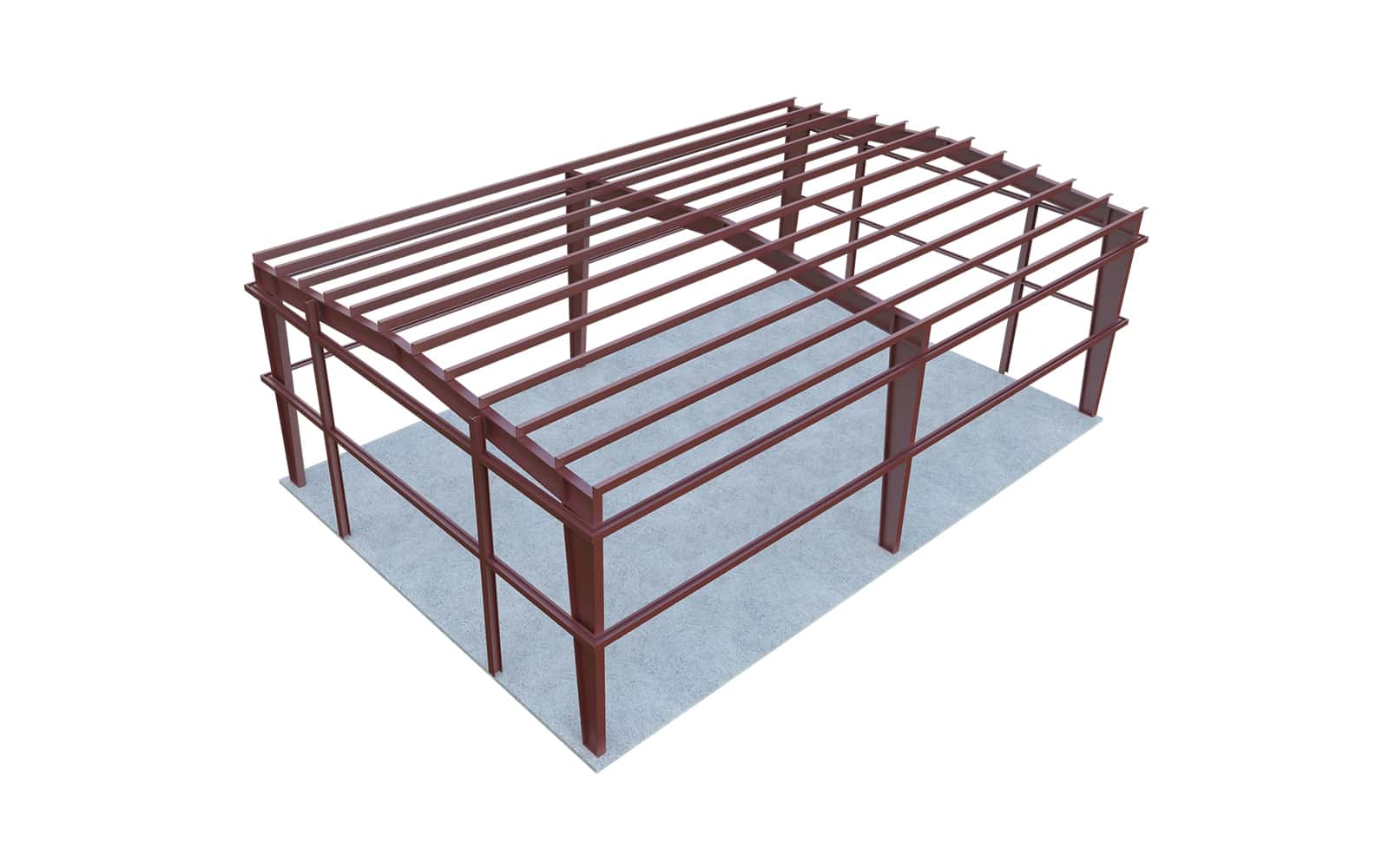
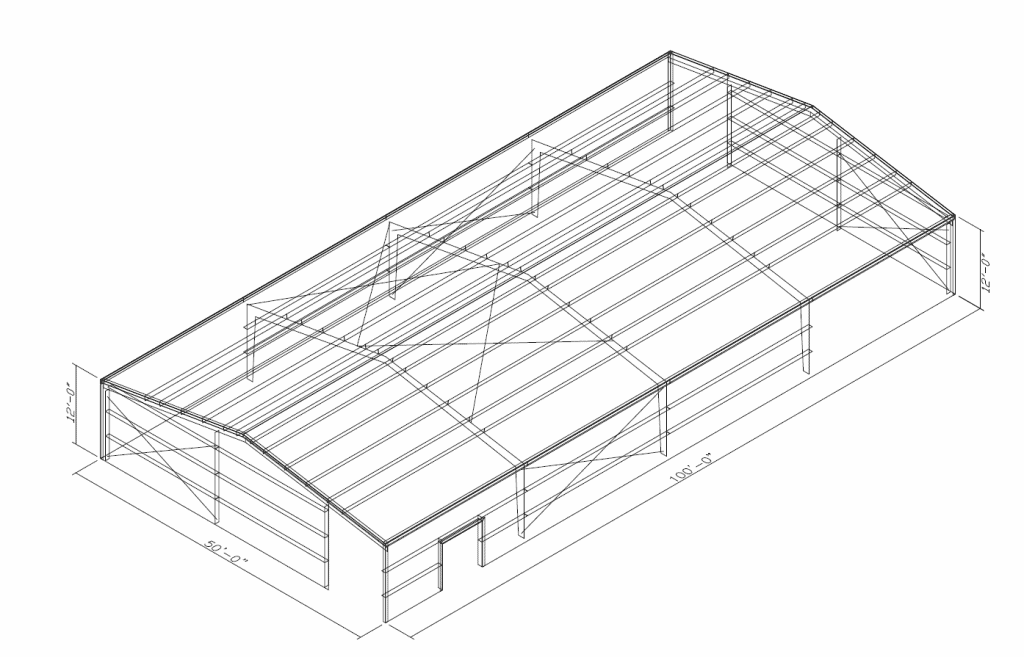

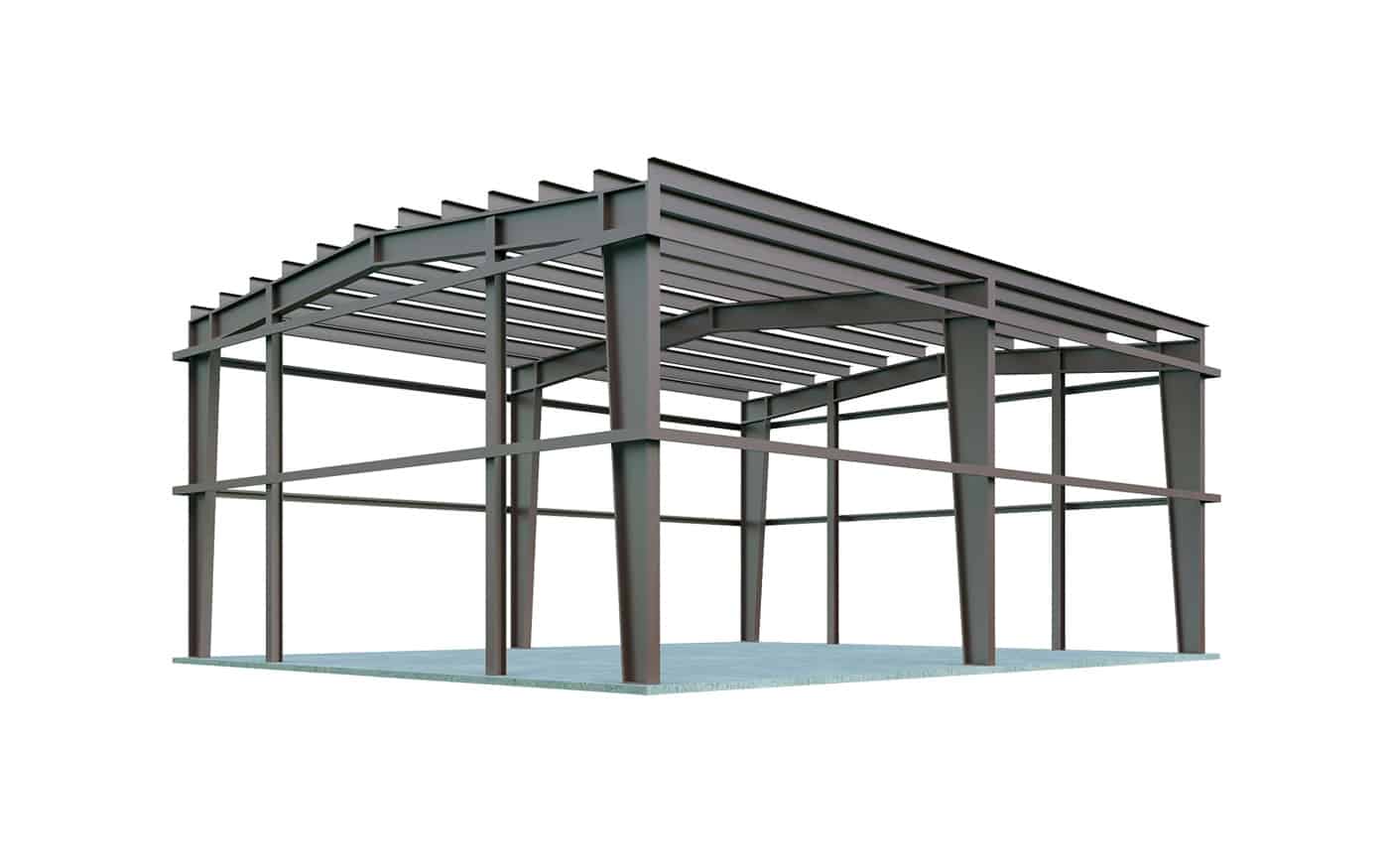
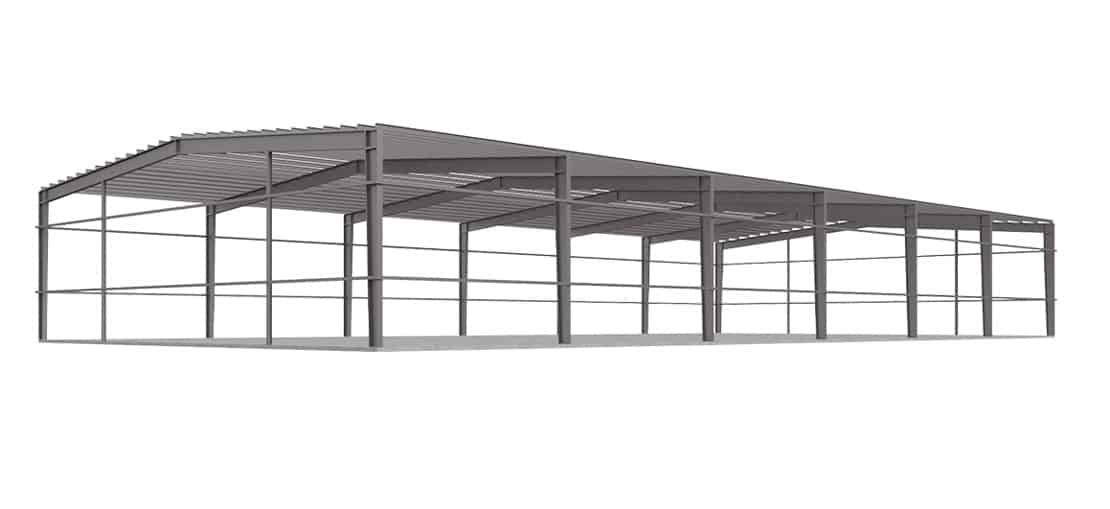

Or estimate your steel building cost for any custom size, including foundation and state-by-state labor.
Expansive clay through the Black Belt is Alabama's real foundation constraint. The Black Belt and Blackland Prairie of central and western Alabama carry soils high in smectitic clays that shrink and crack when dry and swell when wet — locally known as flatwoods or post oak clays. That's a genuine slab design problem: expect a geotechnical report and possibly a thickened-edge, stiffened or pier foundation.
The Coastal Plain runs to sandy loam over loamy subsoils and the Appalachian Plateau to sandstone- and shale-derived loams, both generally more stable. Which of the three you're on matters more than anything else in your foundation budget.
Termites: all of Alabama sits in the "very heavy" infestation probability zone — the highest on the national map. Good practice in that zone means avoiding foam plastic insulation on the exterior face of below-grade foundation walls or under slabs, and using borate-treated materials and termite shields.
Tornadoes. Alabama averages roughly 42 tornadoes a year. Since 1950 about 71% have rated EF-0 or EF-1 and only 2% EF-4 or EF-5 — but that violent minority caused most fatalities, and Alabama tornadoes frequently happen at night, with peaks in March through May and again in November and December.
Be clear on what a building can do: no code-compliant structure of any material is tornado-rated. Buildings are engineered for straight-line wind. Tornado protection comes from a separate storm shelter built to the ICC 500 standard. What engineered steel and proper anchorage genuinely buy you is performance in the far more common events — straight-line wind, hail and severe thunderstorm.
Climate zones. Mobile and Baldwin are zone 2A; every other Alabama county is 3A. Both are moist, so condensation control and vapor retarder detailing matter throughout.
See foundation options and insulation options.
Metal Home Kits and Barndominiums in Alabama

Alabama is a strong barndominium market and the regulatory path is currently light — but two things need saying plainly.
The agricultural exemption does not shelter a barndominium
Alabama's agricultural exemptions from both the residential code and residential licensing carve out "any residence contained therein."
Putting living quarters inside a farm shop pulls the residential portion back under the code and under licensure. This is the single most common Alabama misconception among out-of-state buyers, and it's not a technicality — it's how the statutes are written.
The right license is the Home Builders board, not the GC board
Repeating it because the money is real: residential work triggers licensing at $10,000, through a different board than commercial. Verify the license before you sign, and know that the building official is required to refuse your permit without proof of one.
A house is a different code from a shop
Once anyone sleeps in the building the residential code governs. Three things change about the kit:
- The building envelope becomes code-driven, and in Alabama's humidity it's also the moisture control strategy
- Window and door openings have to be engineered into the frame — and on the Gulf Coast, specified for impact resistance at order
- Interior walls hang off the structure rather than holding it up, which is what makes an open barndominium layout possible
Tell your supplier it's a residence before the frame is engineered, not after the steel arrives.
FORTIFIED matters more for a metal home than a stick-built one
The discount is statutory and statewide, and a properly detailed metal roof is well positioned to earn a FORTIFIED Roof designation. But only with IBHS-certified inspection arranged at the time of construction.
If you're building a metal home in Alabama and not asking this question before you order, you're leaving a legally mandated discount on the table for the life of the building.
What the shell costs, and what it doesn't
The turnkey figures earlier are for the shell — engineered steel structure, erected, on a foundation. For a 2,400 sq ft 40x60 in Alabama that's roughly $54,900 – $64,400.
Interior finish-out is a separate project and, for a finished home, it typically costs more than the shell does. Plumbing, electrical, HVAC, insulation and drywall, kitchen, bathrooms, flooring and fixtures are driven by the finish level you choose, not by the building — which is why anyone quoting a single all-in per-square-foot number for a barndominium is guessing.
Price the shell from a kit quote and the finish-out from local trades. Those are two reliable numbers; one blended number is not.
See barn home kits and floor plans, shouses.
Popular Uses in Alabama

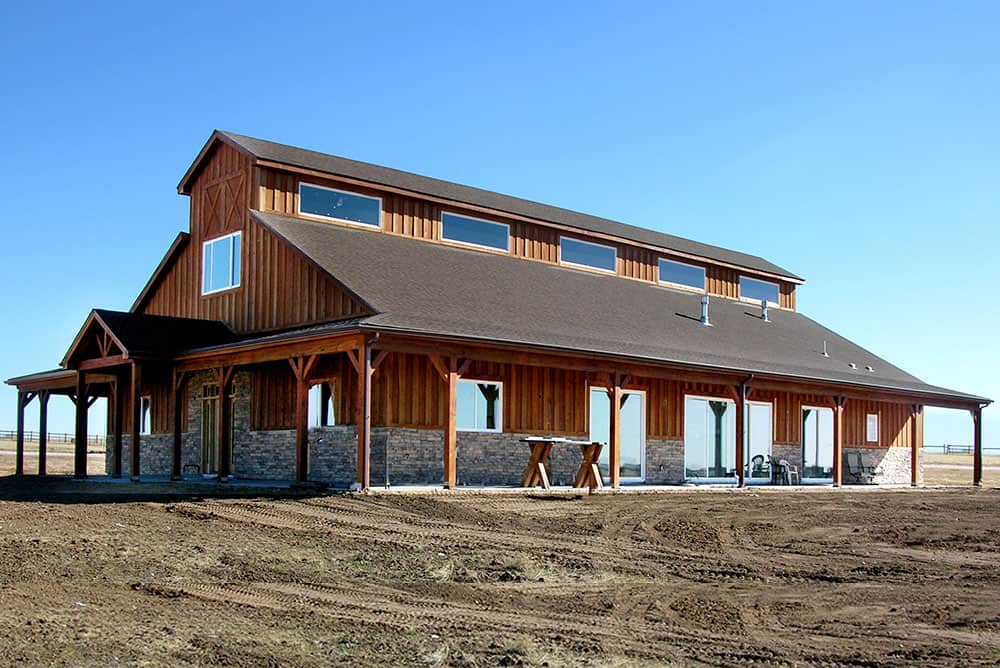
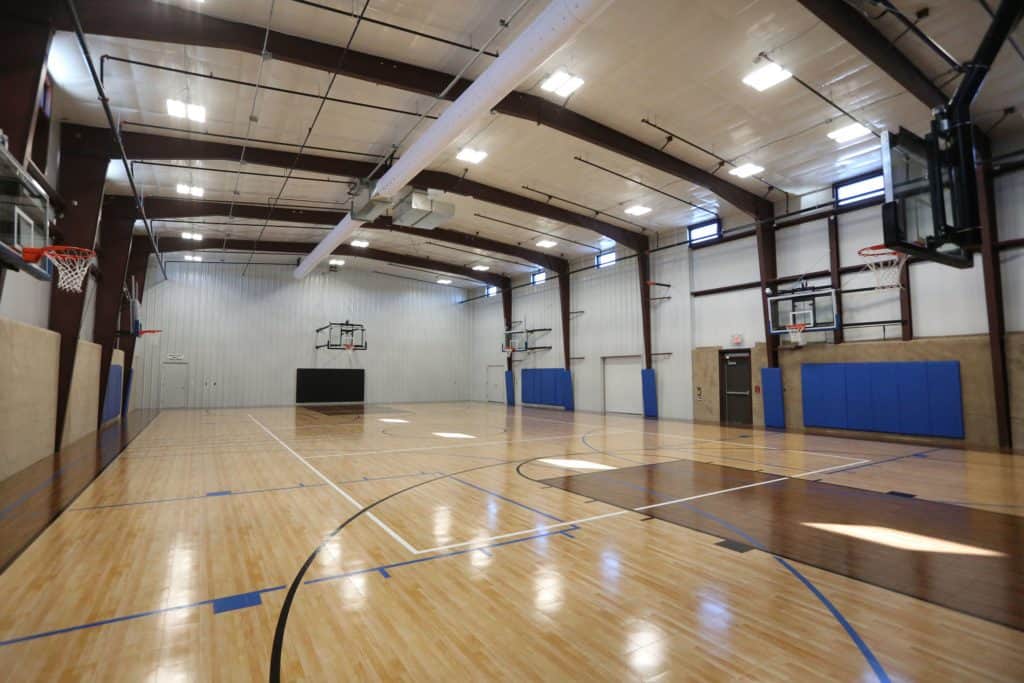
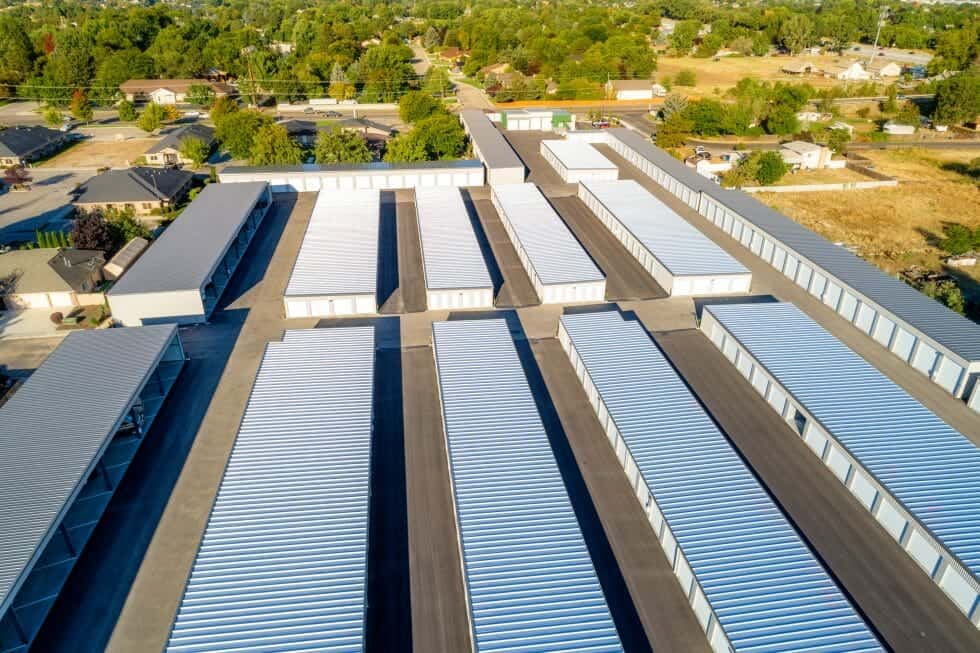
Farm and equipment storage, poultry houses, workshops, barndos, RV garages, agricultural barns and riding arenas, aircraft hangars, automotive and light industrial around Birmingham, Huntsville, and Montgomery, warehouse space, and indoor sports facilities.
The 40x60 is the most requested size in Alabama, as it is nationally — see 40x60 kits for pricing.


Frequently Asked Questions
Do I need a permit for a steel building in Alabama?
It depends on your city or county. Alabama has no statewide mandatory building code for privately funded construction — the state Building Commission covers only state-funded projects, schools, hotels and movie theaters. But counties do have express authority to adopt building codes and require permits in unincorporated areas, and many do, including Mobile and Baldwin. Call your county commission or municipal building department.
How much does a metal building cost in Alabama?
Kit-only runs $21,000–$24,700 for a 30x40 and $39,400–$46,300 for a 40x60. Turnkey runs about 12% below the national average on the site-built portion — roughly $54,900–$64,400 for a 40x60 installed. Baldwin and Mobile counties run higher because Gulf Coast wind design requires a substantially heavier frame.
Do Alabama counties have building codes?
Yes, many do. State law expressly authorizes county commissions to adopt building codes for unincorporated areas, employ inspectors and charge fees. What counties largely lack is planning and zoning authority — which is why an unincorporated parcel often has no zoning but still requires a building permit. Those two things get confused constantly.
Are agricultural buildings exempt in Alabama?
Agricultural buildings are exempt from the state residential building code and from residential licensing — except for any residence contained within them. That exemption is from state code and licensing, not from a local permit ordinance, so a county that has adopted codes may still require a permit.
Can I build a barndominium under the agricultural exemption?
No. Both the code exemption and the licensing exemption expressly carve out any residence contained in an agricultural building. Living quarters pull that portion back under the residential code and under Home Builders Licensure Board jurisdiction.
What changes on January 1, 2027?
A statewide residential building code becomes mandatory for the first time. Until then there's no statewide requirement and the code applies only where a city or county has adopted one; from that date, a residential home builder must build to the adopted state code or the local jurisdiction's code. Local codes adopted before the deadline are grandfathered.
Does Alabama require insurers to give a discount for FORTIFIED buildings?
Yes. State law directs that insurers shall provide a premium discount or rate reduction for insurable property built or retrofitted to qualifying standards — and the definition of insurable property includes commercial property, not just homes. The Fortified Commercial Standard is named in the statute. Certification by an IBHS certified inspector is required, and it can't be back-dated, so arrange it before the building goes up.
Do I need a licensed contractor in Alabama?
Two different boards. Commercial work needs a general contractor license at $100,000 or more — raised from $50,000 in October 2024. Residential work needs a Home Builders Licensure Board license at just over $10,000, and residential roofing at $2,500. A metal building used as a dwelling falls under the residential board at the much lower threshold, which catches people out. Owner-builders may build their own residence if they supervise personally and don't sell within a year.
What wind speed does my building need to be engineered for?
Alabama publishes no state map. Verified Gulf Coast figures are 160 mph in unincorporated Mobile County and 157 mph in Foley, both Risk Category II. North Alabama values aren't published by any state source — get yours from your jurisdiction or the ASCE 7 Hazard Tool. Also confirm which ASCE 7 edition your jurisdiction's code references, because a building engineered to a newer edition can be under-designed for a jurisdiction still on an older one.
Is a steel building safe in a tornado?
No code-compliant building of any material is tornado-rated, in Alabama or anywhere else. Buildings are engineered for straight-line wind. Alabama averages about 42 tornadoes a year, and tornado protection comes from a separate ICC 500 storm shelter. What engineered steel and proper anchorage do buy you is real performance in straight-line wind and hail, which are far more common.
How long does it take to build?
Kit fabrication and delivery typically run 6–12 weeks after engineering approval, with erection a few weeks more. In an unincorporated county with no adopted code that may be the whole timeline. In a jurisdiction that enforces, add plan review — and on the Gulf Coast, plans prepared by an Alabama-licensed engineer or architect.
Get an Alabama Steel Building Quote Now
Tell us your dimensions, eave height and county, and we'll come back with wholesale pricing on a kit engineered for your site's actual wind speed — free, and no obligation.
Get your free quote · State guides
Code editions, design criteria, permitting requirements and insurance program terms change, and local adoption varies by county and city. Verify current requirements with your authority having jurisdiction before finalizing a design. Last reviewed August 2026.
Get Your Free Quote
Answer a few quick questions and we'll match you with suppliers who quote your exact size and location. Takes about two minutes.
14,068 kits sold • 50-year structural warranty • Free, no obligation